CRISPR Screening: The Core Corpus for Virtual Cells
The central proposition of functional genomics is to systematically establish causal links between "gene perturbation — molecular phenotype" at the whole-genome scale. CRISPR screening is currently the most powerful tool for this — through sgRNA libraries targeting every gene, precise perturbations are introduced in living cells, and their downstream effects are read out at the transcriptomic, proteomic, and even spatial dimensions. This capacity for "causal intervention" is a unique value that no associative study method can provide.
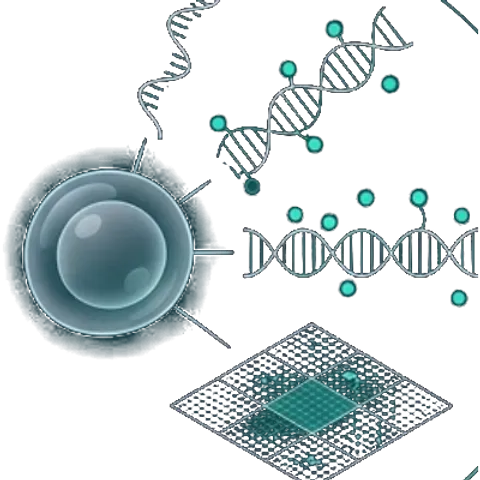
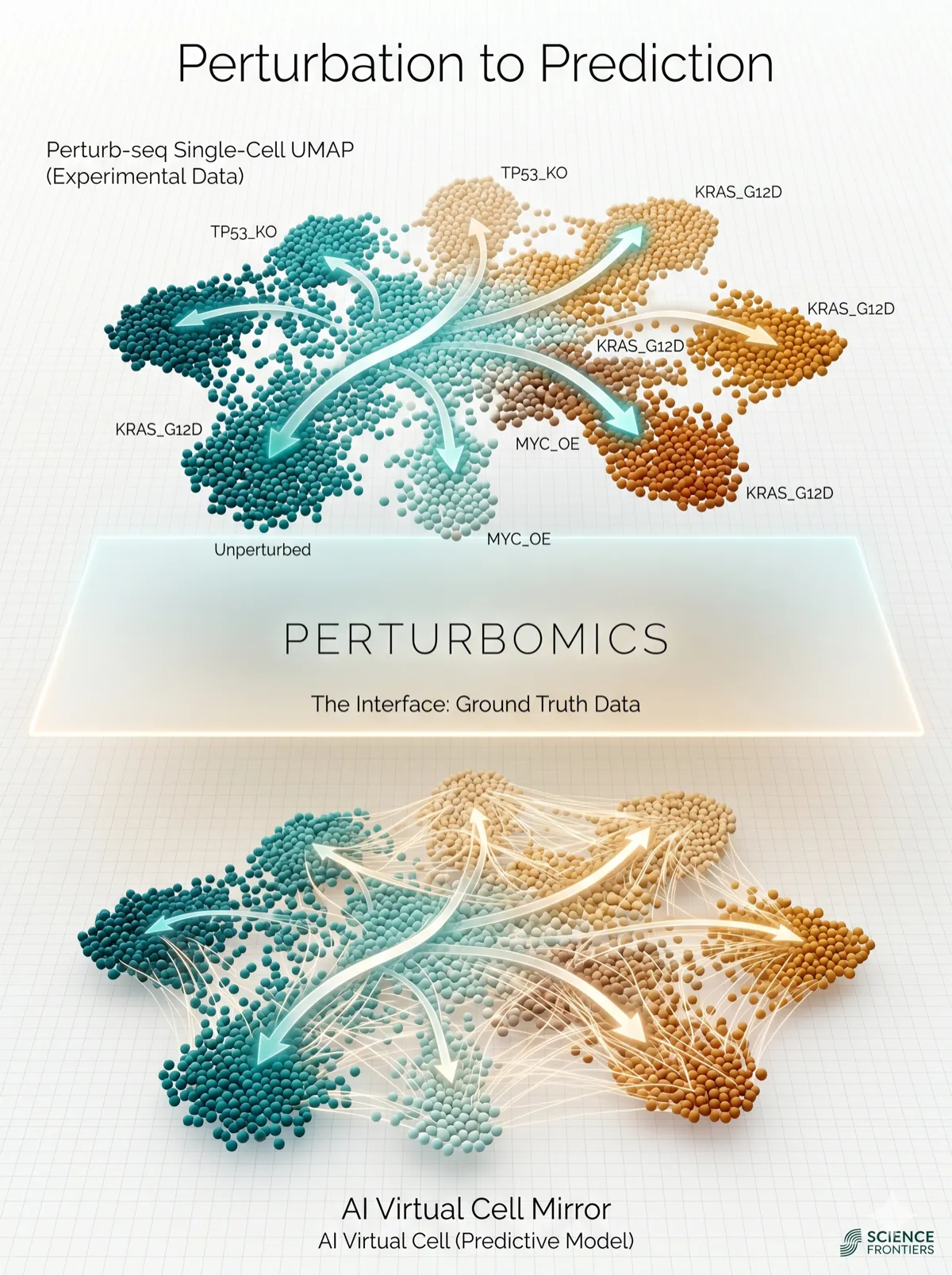
The emergence of AI virtual cells is opening an entirely new dimension for this field. Virtual cells are predictive models trained on large-scale real molecular perturbation data, capable of simulating how cells behave under perturbation. The core "corpus" required for their training is precisely a systematic dataset covering whole-genome perturbations, spanning multi-omic layers, and possessing causal structure — and this is exactly the output of CRISPR screening technology. From transcriptomics (Perturb-seq) to proteomics and metabolomics, to spatially resolved multi-omic perturbation readouts, this paradigm is evolving from single-dimensional to a panoramic "perturbation omics" view.
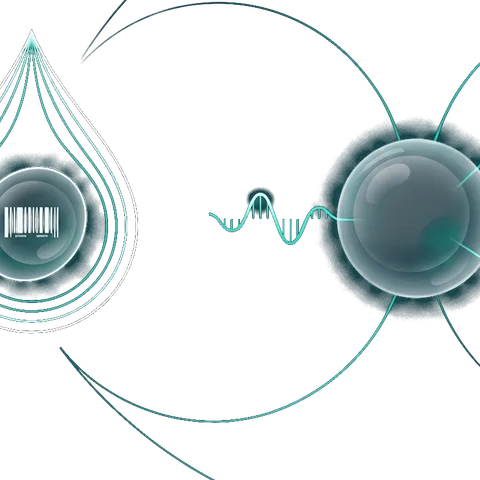
With high-throughput Perturb-seq screening as our current flagship platform, we provide trainable, traceable core data corpus for building AI virtual cells. Meanwhile, we continuously track the frontier directions of perturbation omics, dedicated to delivering high-quality, scalable systematic functional genomic data production services for researchers.
One-Stop Perturb-seq Solution

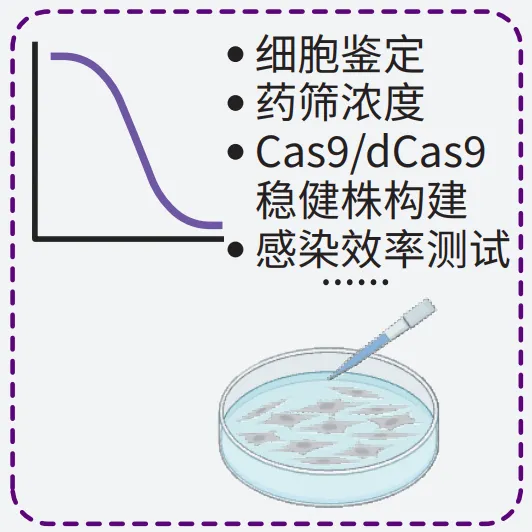
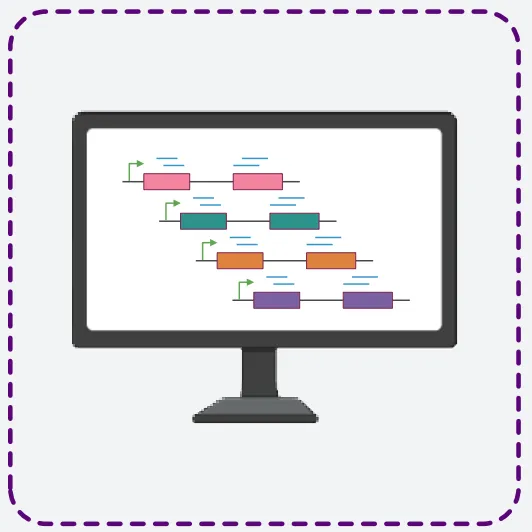
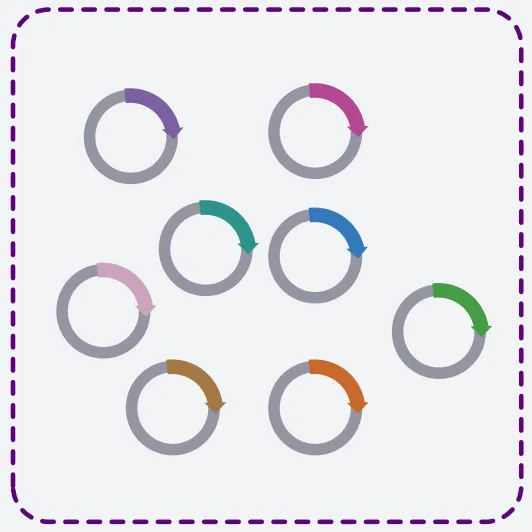
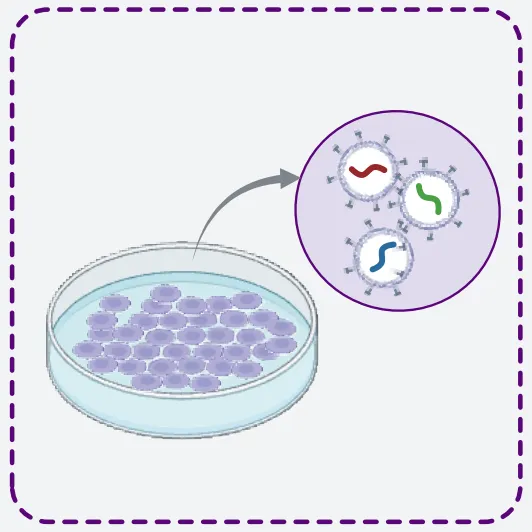
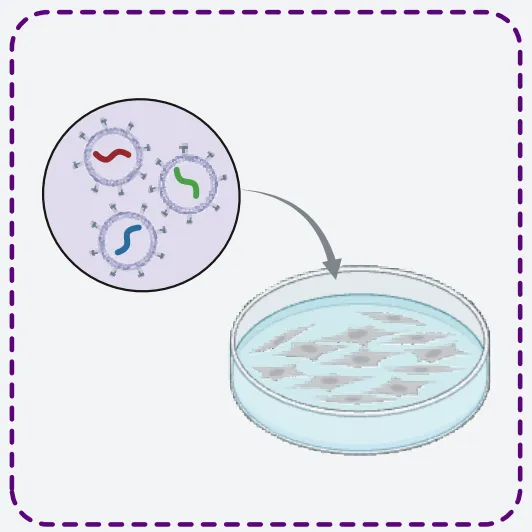
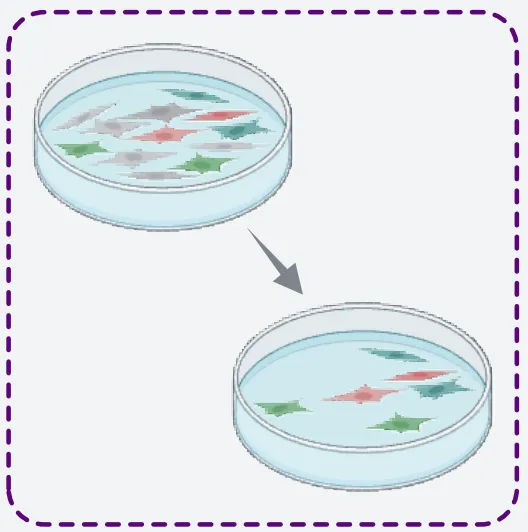
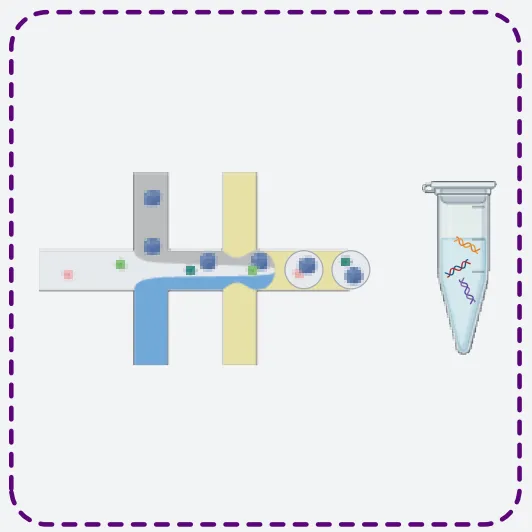
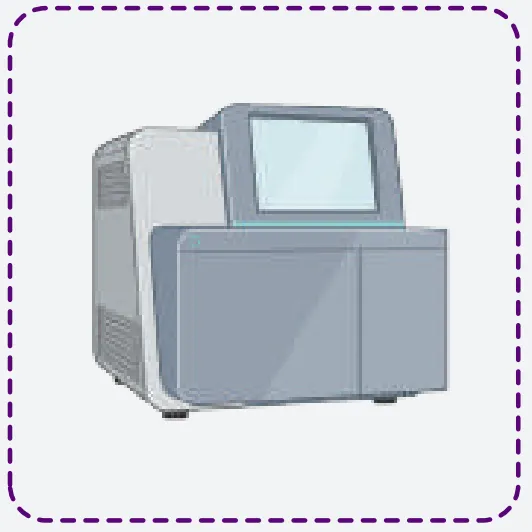
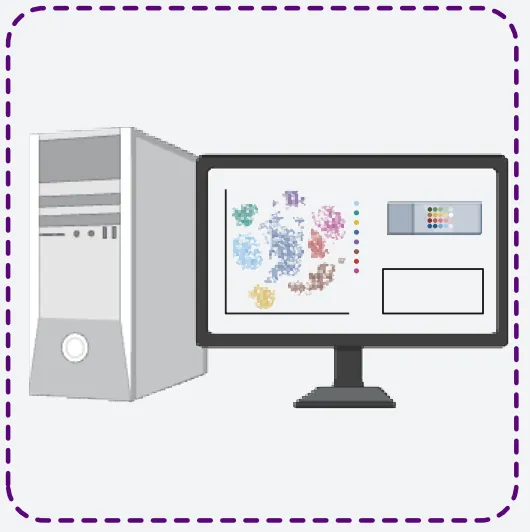
CRISPR single-cell screening, gene knockout screening, CRISPRa screening, CRISPRi screening, tumor immune target discovery, synthetic lethality screening